Es
EsThe annual Consumer Electronics Show in Las Vegas, which starts from January 9, provides an opportunity for manufacturers – many of whom are based, or have factories, in China – to unveil new products. Key areas to watch will include home entertainment, including smart speaker systems, and internet-of-things products including connected-home products.
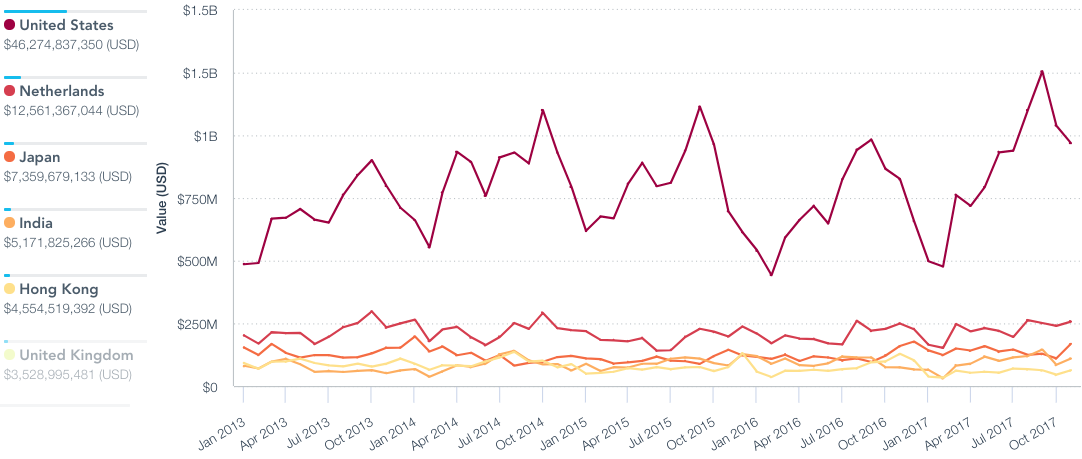
Exports of televisions from China have gone through a marked resurgence recently, with a 12.8% jump in the past quarter Panjiva data shows. That follows a decline in 2014 and 2015, and has been led by a 21.9% jump in shipments to the United States.
Source: Panjiva
Chinese manufacturers have won market share from those in Mexico, with U.S. TV imports having only increased by 6.5% in the three months to October 30. Suppliers from both countries face significant disruption should the Trump administration make good on its commitment to cut imports from China, as outlined in Panjiva research of January 2, and increase U.S. manufacturing through NAFTA negotiations.
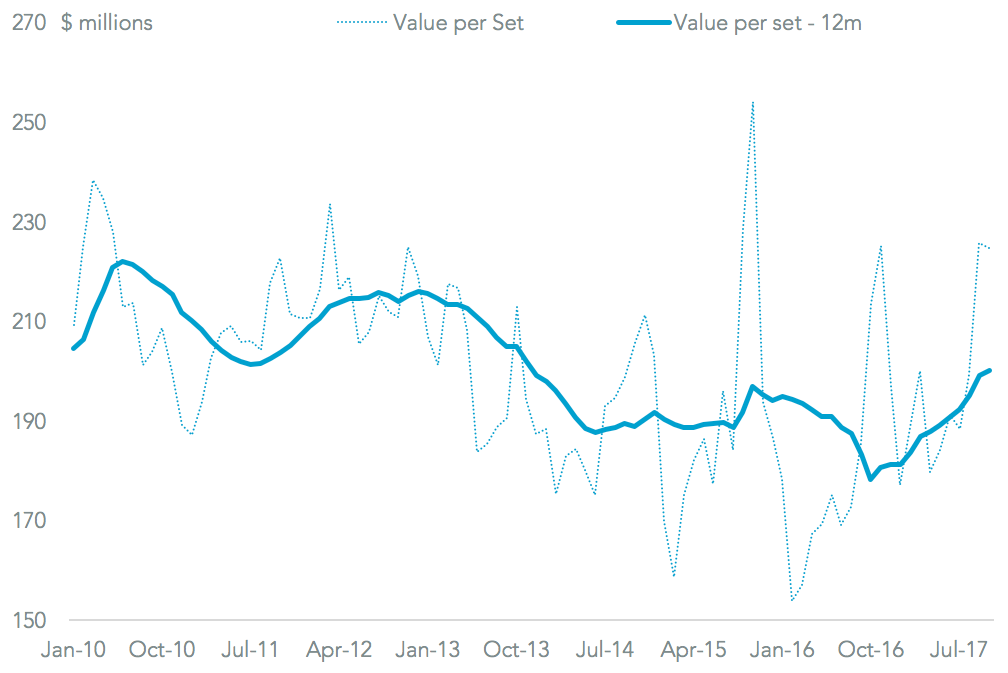
Manufacturers will hope that the new products to be released at CES can continue the recovery in average sales value per set, which has climbed 12.4% in the past year but only returned to levels seen in 2013.
Source: Panjiva
A second area that may see further innovation at CES is in smart speaker systems, typified by products from Google and Amazon. Chinese exports of speakers more broadly have grown by 12.5% in the past year and reached a new record of $1.1 billion in the month of November following a 38.5% surge vs. a year earlier. Leading exporters include local subsidiaries of Foxconn (Hengyang Futaihong), TCL and Logitech.

Source: Panjiva
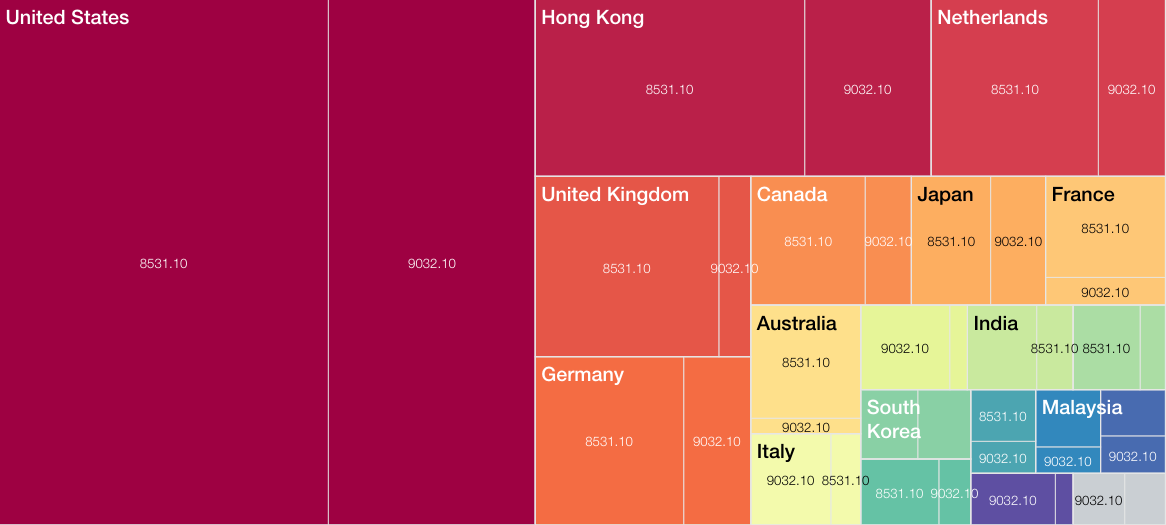
Chinese manufacturers may have had less success in connected-home devices. Exports of home security systems (HS 8531.10) have actually fallen by 11.4% on a year earlier in the 12 months to November 30. Thermostats have done somewhat better with a 14.2% increase to reach $668 million in the past 12 months. However, a 12.1% drop in the month of November suggests thermostats did not necessarily gain mass acceptance as a holiday gift.
The U.S. is by far the largest market for both product groups, accounting for 46.0% of the total, again raising the risk that broad based protectionism by the Trump administration against Chinese products could cut potential growth in the future.
Source: Panjiva