Es
EsThe organization of Venezuela’s elections, scheduled for May 20, have drawn widespread criticism from the so-called “Lima Group” including Brazil, Colombia, Mexico and the U.S. among others, Reuters reports. They follow a long-period of economic upheaval that has led to food shortages and included the withdrawal of international businesses including – most recently – food manufacturer Kellogg according to Bloomberg.
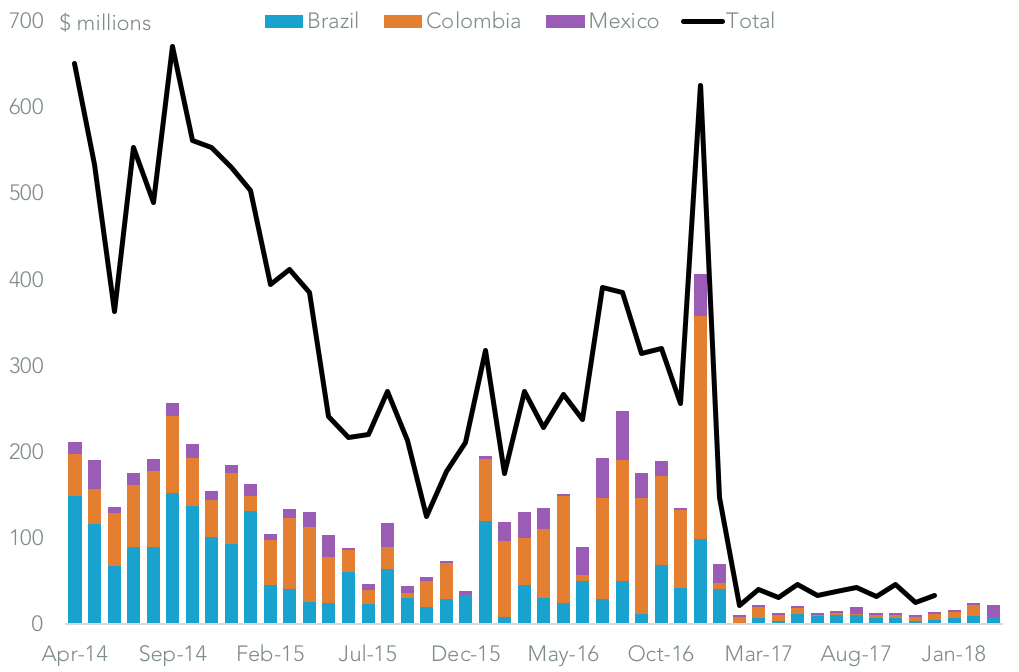
Venezuela’s main export revenue has come from oil though, as outlined in Panjiva research of May 10, that has been in decline due to underinvestment in production and overseas asset seizures including by Chevron. The decline in export earnings, combined with military control over food purchasing, led to a 91.3% drop in Venezuela’s imports of food in the fourth quarter on a year earlier, Panjiva data shows.
There have been some improvements in imports in the first quarter of 2018 with imports from Brazil up 62.1% sequentially (though still down 47.9% on a year earlier), 108% higher from Colombia (and 57.1% better than a year earlier) and a 8x rise in shipments from Mexico.
Source: Panjiva
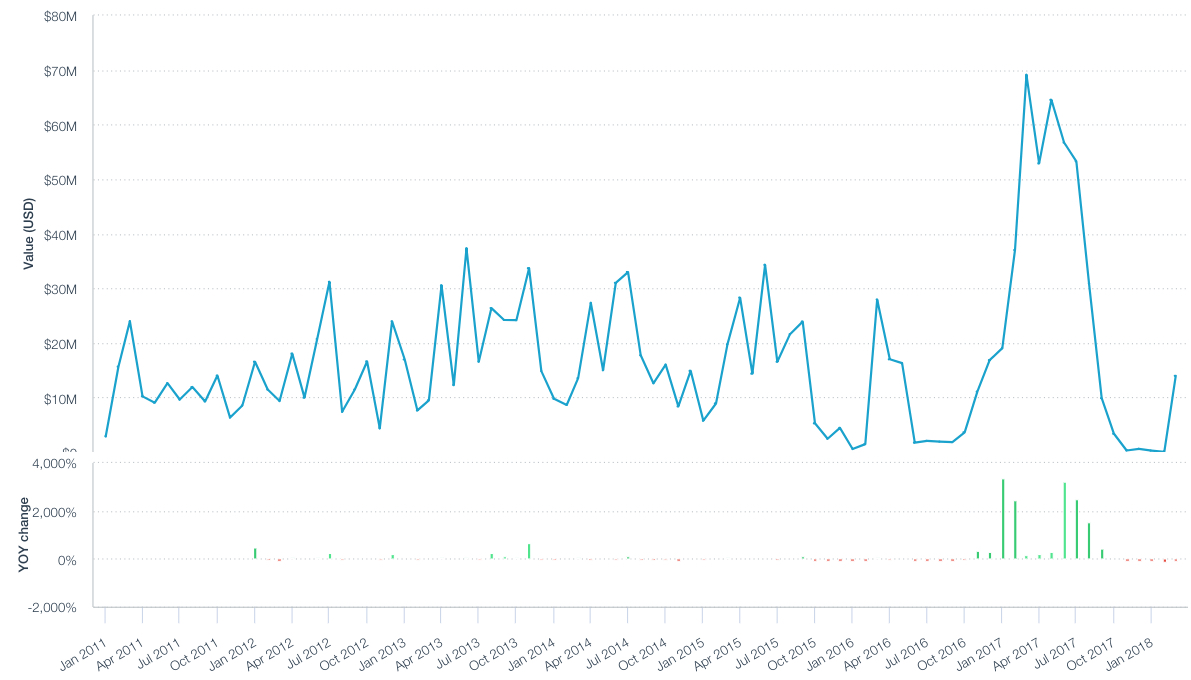
The shipments from Mexico are notable in that March represented the largest month for shipments since January 2017, though that still left 1Q imports down 37.1% on year earlier.
Source: Panjiva
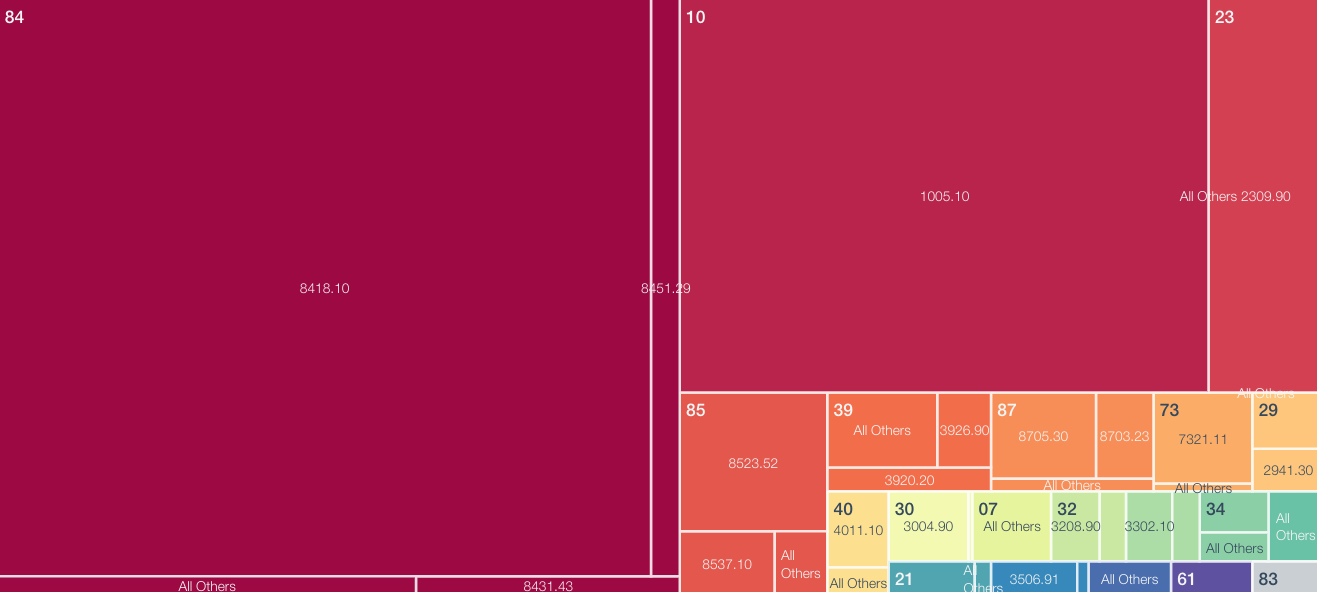
Looking more broadly, while a significant quantity of Mexico’s exports are food (specifically corn worth $13.5 million in 1Q) there were also significant shipments of consumer goods, including refrigerators worth $24.5 million. That has been seen before and is likely to continue.
Source: Panjiva